
What factors should small and medium-sized tourist attractions consider when building year-round dry ski slopes?

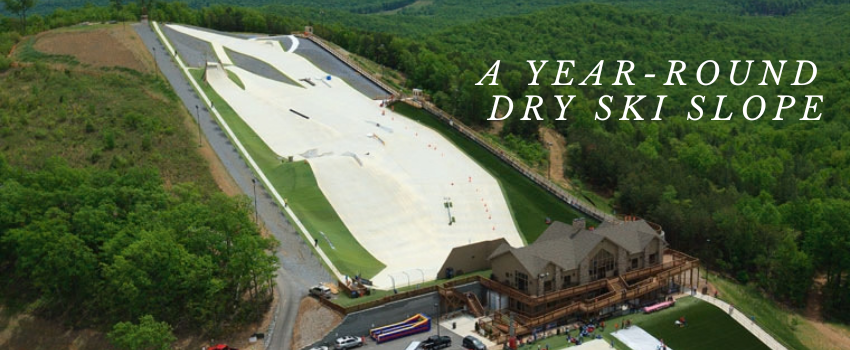
As competition in the cultural and tourism market intensifies, small and medium-sized tourist attractions cannot rely solely on natural scenery to boost their appeal; they need to add recreational experiences that can be enjoyed year-round. Traditional real-snow ski resorts are heavily constrained by the winter season, involve high construction costs, and require massive ongoing maintenance expenses, making them unsuitable for most small and medium-sized tourist attractions. As a simulated dry skiing product, year-round dry ski slopes do not require snowmaking and can offer skiing experiences, snow tube rides, and educational and team-building activities throughout all four seasons, making them the top choice for many attractions looking to add new “viral” recreational attractions.
However, a year-round dry ski resort cannot simply be put into operation by purchasing materials and laying them down. Many scenic spots have rushed to launch such projects, resulting in issues such as unreasonable slope gradients, products that do not align with the destination’s positioning, budget overruns, lack of safety infrastructure, and subsequently low visitor numbers. When small and medium-sized scenic spots build a year-round dry ski resort, they must thoroughly address the following issues in the early stages to avoid unnecessary detours in the project.
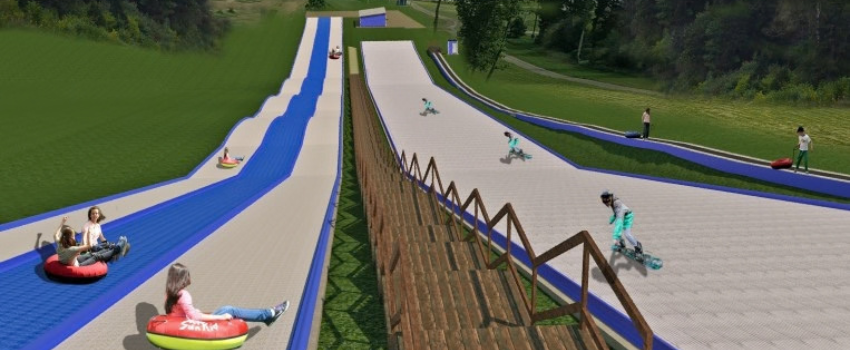
I. On-site Survey: Assess Whether the Site’s Natural Conditions Are Suitable for a Dry Ski Facility
The site is the foundation for building a year-round dry ski facility. While many scenic areas have idle land plots, not all of them are suitable for dry ski runs.
First, examine the terrain’s slope. Year-round dry ski slopes have specific requirements for slope gradients, and the appropriate slope ranges vary for snow tube runs, snowboard and alpine ski practice runs, and jump training runs. A slope that is too steep poses high safety risks, while one that is too flat lacks an engaging riding experience. If the natural slope conditions of the mountain are insufficient, earthwork adjustments or the construction of steel support structures will be necessary, which will directly increase infrastructure costs.
Second, calculate the site area. Small and medium-sized scenic areas should not blindly pursue large-scale runs; instead, they should determine the number of runs, as well as the land area required for buffer zones, starting platforms, waiting areas, and safety zones, based on their estimated visitor volume. In addition to the runs themselves, sufficient space must be reserved for dry-skiing buffer zones. These buffer zones are critical for ensuring safety during runs and their size must not be arbitrarily reduced. It is also essential to assess the site’s basic conditions: the plot’s drainage capabilities and whether water tends to pool during the rainy season; sunlight exposure—since outdoor all-season dry-ski materials are exposed to prolonged sunlight, their resistance to UV-induced aging must be considered; and on-site water and electricity infrastructure—while dry-ski venues do not require snowmaking, the lubrication system needs a water and power supply, and visitor services, lighting, and surveillance equipment all require basic utility connections. For indoor construction, special attention must be paid to calculating building ceiling heights and floor load-bearing capacity.
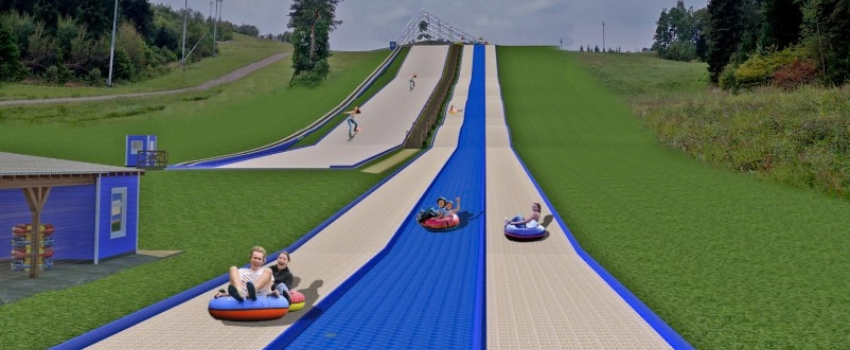
II. Develop a Thorough Investment Budget, Distinguishing Between Fixed and Hidden Costs
Many scenic areas limit their budgets to the procurement of all-season dry ski materials, overlooking a significant amount of hidden expenses, which ultimately leads to budget overruns.
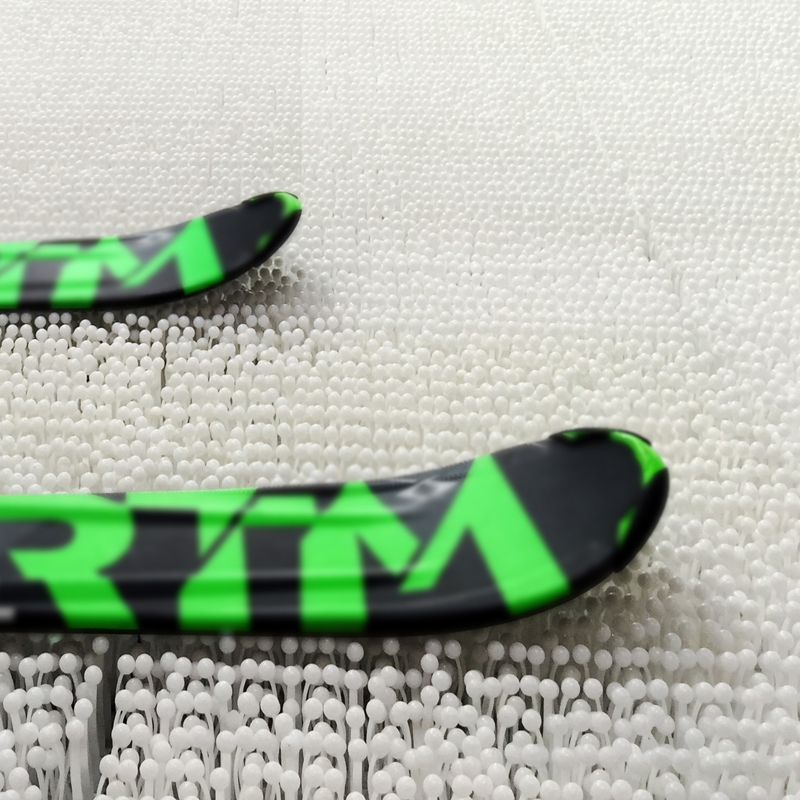
Fixed costs include: the main all-season dry ski grass material; supporting safety barriers (impact-resistant nets and guardrails); safety cushioning mats; launch platforms; and supporting equipment such as single- and double-board snow rings; earthwork and civil engineering or steel support structures, foundation leveling, and drainage systems; as well as on-site installation and construction costs.
Hidden costs that are easily overlooked include: site design and survey fees; safety and security equipment (surveillance cameras, warning signs); lighting systems if nighttime operations are planned; annual budgets for maintenance and consumables; and staff recruitment and training costs.
Small and medium-sized scenic areas must avoid blindly pursuing low-cost purchases of all-season dry ski products. Low-quality, inexpensive materials have poor wear resistance, leading to wear and discoloration in a short time; replacing them incurs significant expenses and reduces operating time. A rational procurement approach involves calculating the total life-cycle cost by considering material lifespan, wear resistance, and the after-sales warranty period.

III. Product Selection: Choose the Right All-Season Dry Ski Solution Based on the Scenic Area’s Positioning
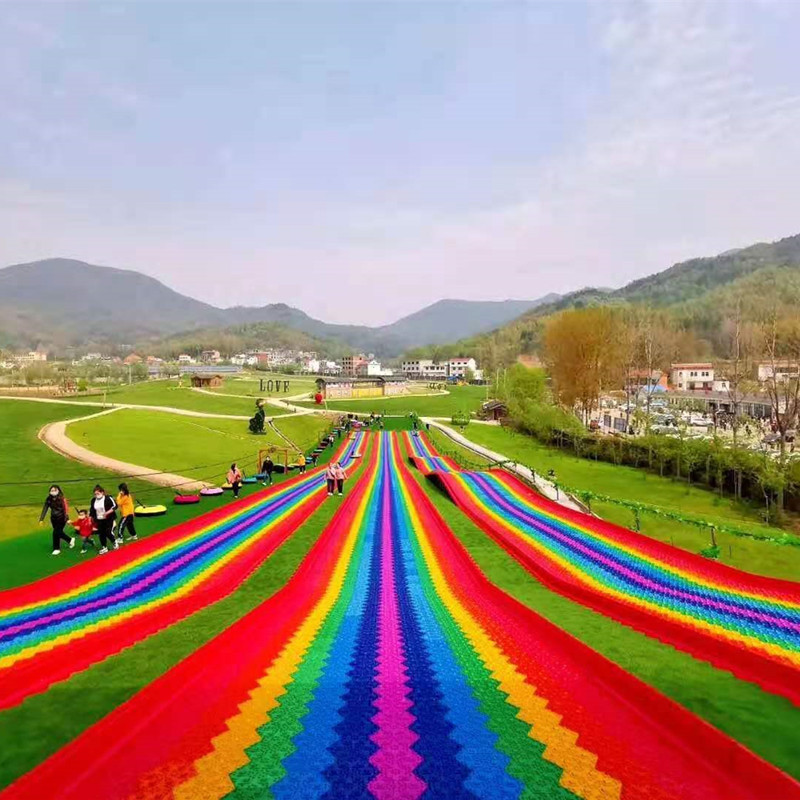
There are many types of year-round dry ski facilities, including family-friendly snow tube slides, ski instruction and practice runs, and professional jump training courses.
Small and medium-sized attractions must clearly define their own positioning and avoid simply copying the solutions used by large ski resorts. If the attraction primarily caters to families and general sightseers, prioritize snow tube entertainment slides supplemented by simple beginner ski practice runs to lower the barrier to entry and make the experience accessible to the general public; If the goal is to cater to educational tours and youth ski training programs, the resort should configure year-round dry ski slopes suitable for instruction, designed to accommodate ski board gliding; if the resort aims to become a “must-visit” Instagrammable spot, it can incorporate small jump ramps with airbags to enrich the recreational experience.
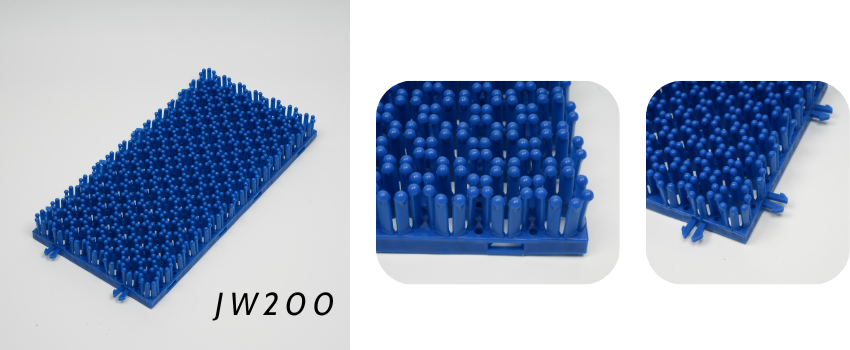
IV. Plan for Post-Construction Operations in Advance to Avoid Prioritizing Construction Over Operations
Some scenic areas focus solely on hardware construction and only consider how to attract visitors after the dry ski slope is built, which can easily lead to the facility falling into disuse.
Small and medium-sized scenic areas must define their operational direction during the early planning stages.
1. Source of visitor traffic: Will the facility rely on the scenic area’s existing visitors, or will it attract external groups such as educational tours and team-building events, as well as individual travelers from nearby cities?
2. Product portfolio: The dry skiing project can be bundled with the scenic area’s existing attractions as a package deal or sold as a standalone ticket; it can also host school ski field trips and corporate team-building activities to expand revenue streams;
3. Managing Peak and Off-Peak Seasons: The greatest advantage of year-round dry skiing is its lack of seasonal restrictions. In summer, it offers a dry skiing experience; in fall and winter, snow can be produced on the dry slopes to upgrade them into real snow runs for operation. It can also be combined with the attraction’s other business formats for joint marketing. At the same time, plan for routine maintenance: year-round dry skiing requires regular removal of debris and loose material, inspection of slope wear and tear, and verification of the integrity of safety barriers. Proper daily maintenance will extend the equipment’s service life.
For small and medium-sized scenic areas, year-round dry skiing is an excellent year-round recreational option; however, the project’s success depends on more than just a set of dry skiing equipment. Only by thoroughly considering site surveys, budget planning, product selection, safety standards, and operational models in the early stages can a dry skiing project be created that offers a great experience, high safety standards, and sustainable profitability. Choosing a professional, direct-from-manufacturer supplier of year-round dry skiing equipment and obtaining a complete suite of services—including design, production, and installation—can significantly reduce the trial-and-error costs associated with the scenic area project.